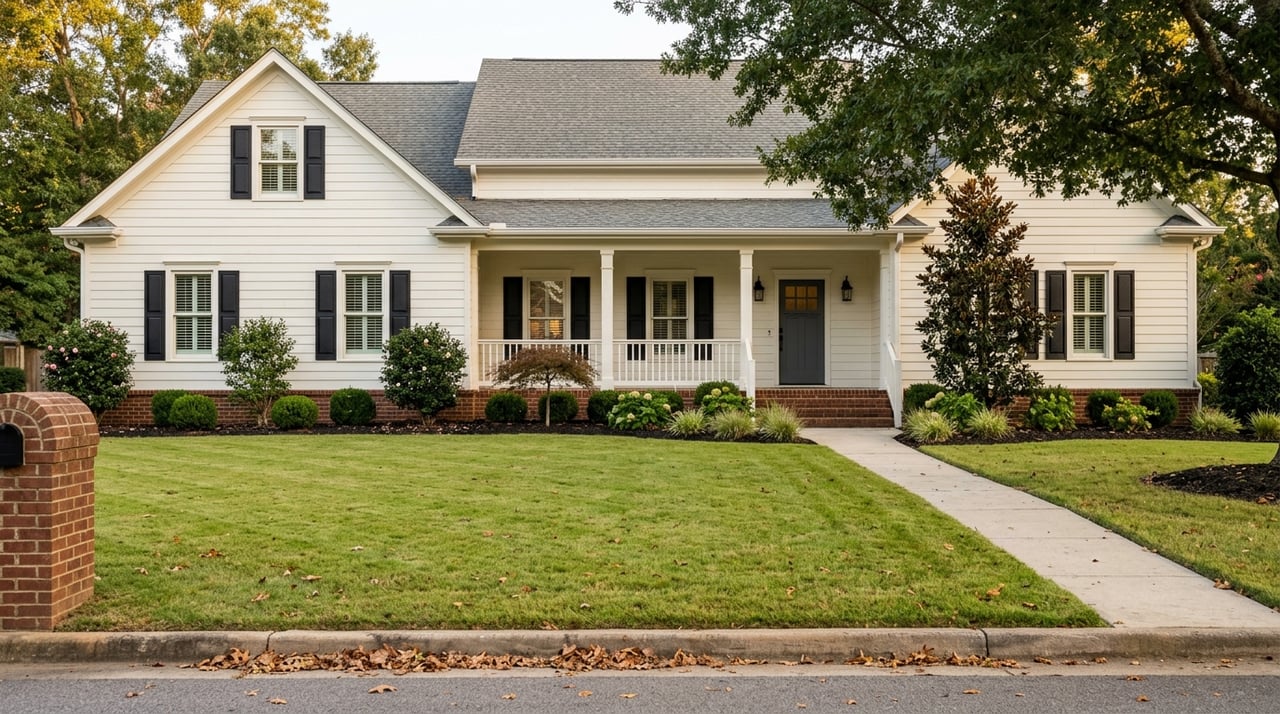
What Living in Raleigh Neighborhoods Feels Like
- June 4, 2026
If you are thinking about living in Raleigh, one thing becomes clear fast: this city does not fit into just one lifestyle box. You can find a compact urban core, established historic neighborhoods, miles of greenways, and a cultural scene that stretches well beyond downtown. If you want a better feel for how Raleigh actually lives day to day, this guide will walk you through the neighborhoods, parks, and cultural routines that shape the city. Let’s dive in.
Raleigh continues to grow, with the U.S. Census Bureau estimating the city’s population at 506,306 as of July 1, 2025. That figure is up 8.2% from the 2020 estimate base, which helps explain why so many buyers and relocators are taking a closer look at the area.
The city also offers a balanced housing picture. Owner-occupied housing is 50.7%, the median owner value is $415,800, median gross rent is $1,572, and the mean commute to work is 23 minutes. In practical terms, that points to a city where renting, buying, and in-town living all play a meaningful role.
One of the biggest strengths of Raleigh is how different one area can feel from the next. The city’s zoning structure, along with historic and neighborhood conservation overlays, helps preserve character in many areas while also guiding new development.
That means Raleigh often feels less like one uniform city and more like a collection of distinct districts. For you as a buyer or future resident, that can make the search more interesting because housing style, street pattern, and daily routine can shift quite a bit from one part of the city to another.
If you want the most urban feel in Raleigh, the Downtown District is the clearest place to start. It includes downtown Raleigh, Glenwood South, and Moore Square, bringing together offices, civic landmarks, nightlife, and cultural destinations in a relatively compact area.
This part of the city works well for people who want to be close to activity and enjoy a more connected, central routine. You are more likely to feel the energy of city living here than in many of Raleigh’s outer residential areas.
Raleigh’s historic neighborhoods are a major part of its appeal. Boylan Heights, one of the city’s earliest planned suburban neighborhoods, is known for Craftsman bungalows, curving streets, and front-porch homes that create a strong visual identity.
Glenwood-Brooklyn began as an early streetcar suburb and still features Queen Anne, Colonial Revival, and Craftsman bungalow homes. Cameron Park, another notable early-20th-century area, includes large lots, ravines, and a mix of architectural styles such as Tudor Revival, Mission Revival, bungalow, and Colonial Revival.
These neighborhoods tend to appeal to buyers who want a sense of place and a strong connection to Raleigh’s earlier development patterns. The housing is not one-note, and that architectural variety is part of what gives these areas lasting interest.
Around the Five Points area, you will find more neighborhoods with a strong identity. Bloomsbury is one of the early-20th-century neighborhoods near the Five Points intersection and is largely defined by bungalow-era homes, along with some simpler postwar houses.
Vanguard Park, located between Bloomsbury and Roanoke Park, includes homes built from the 1920s through the 1950s. Housing types here include bungalows, front-gabled Craftsman homes, Period Cottages, and Minimal Traditional styles, giving the area a layered residential feel.
Raleigh also has neighborhoods that tell a later chapter of the city’s housing story. Longview Gardens is the city’s largest mid-20th-century custom residential subdivision, with early homes leaning Colonial and Tudor Revival and later phases adding Ranch and Split-Level styles.
East Raleigh-South Park is Raleigh’s largest historic African American neighborhood. It is predominantly residential and includes working- and middle-class housing, churches, and small grocery stores, making it an important part of the city’s broader neighborhood story.
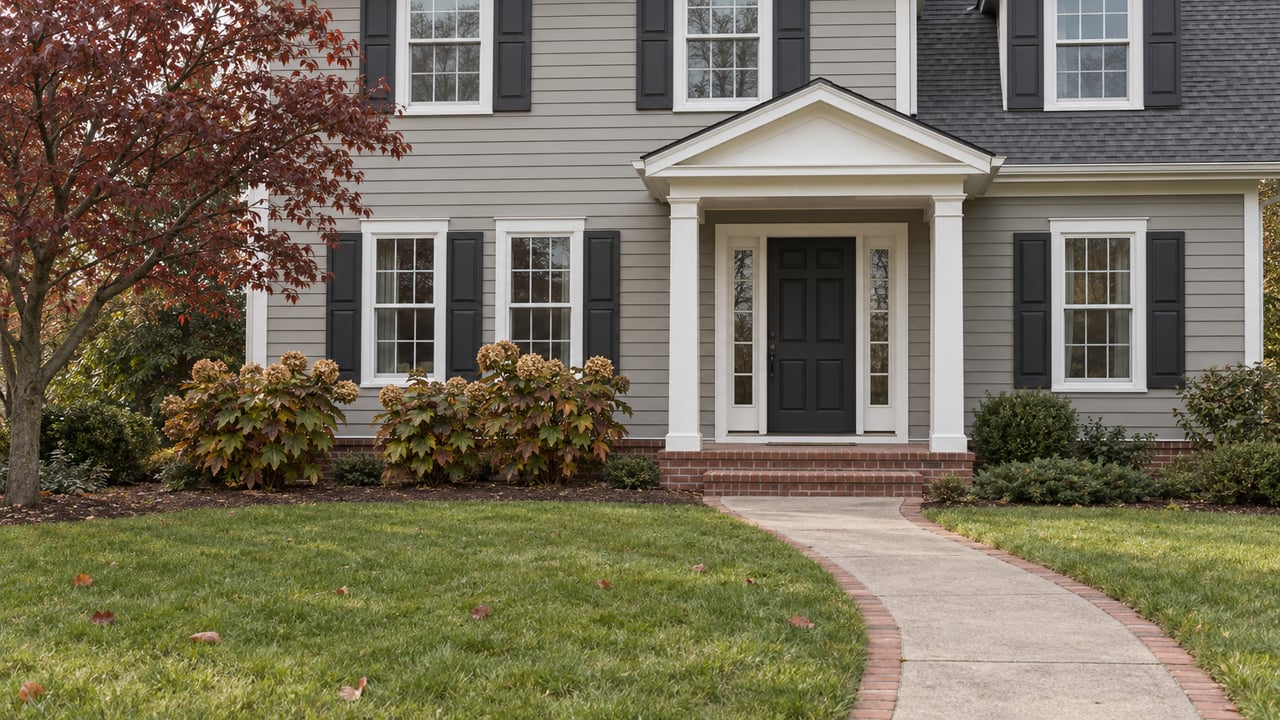
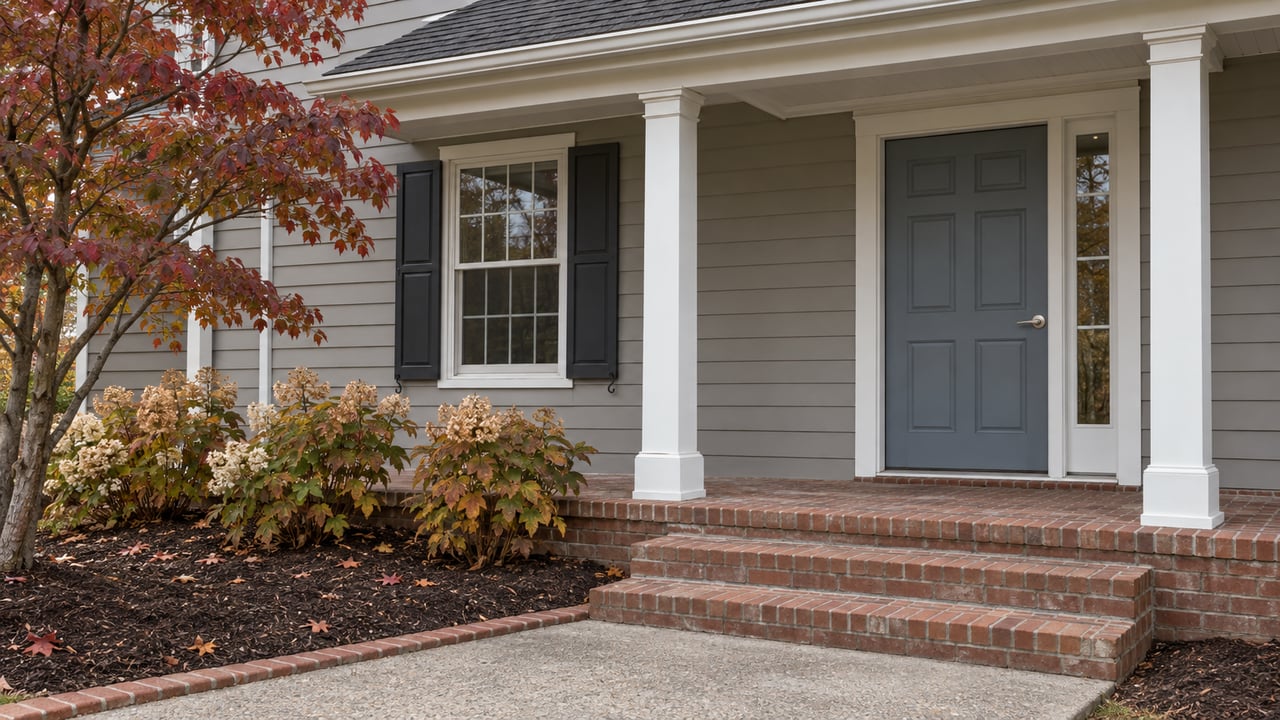
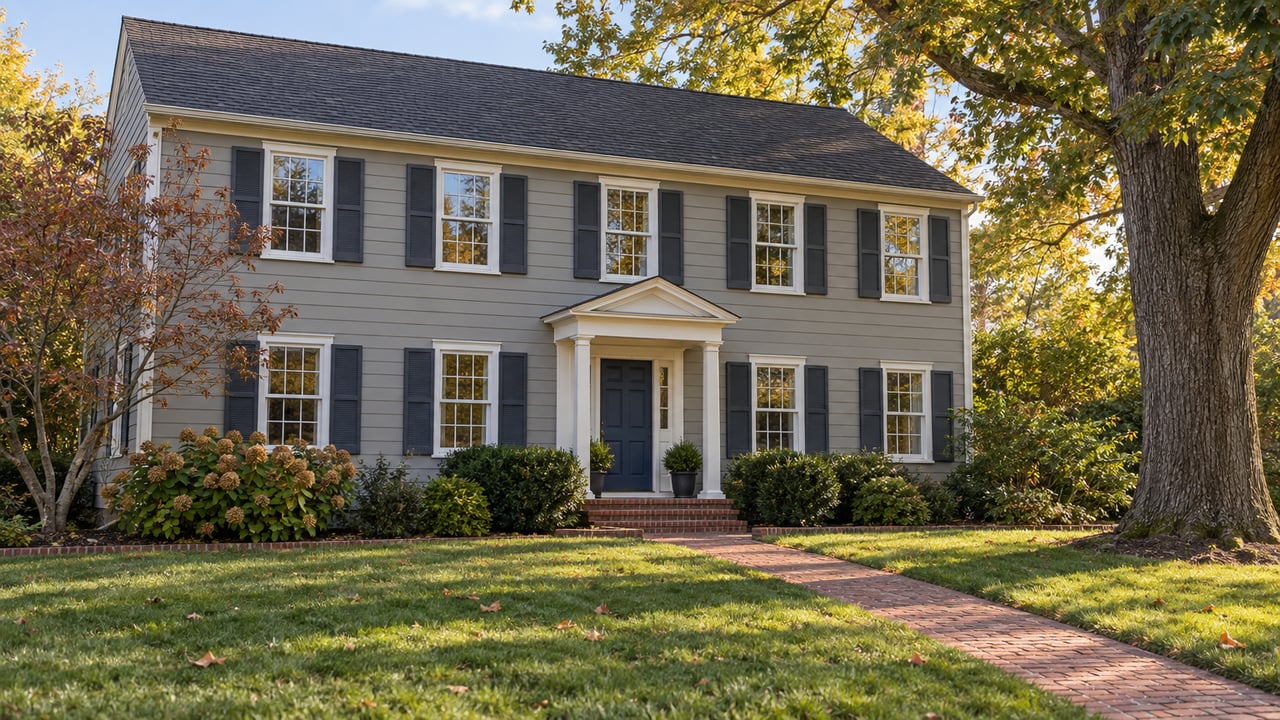
If you are trying to picture what living in Raleigh looks like from a housing perspective, the best answer is variety. In-town Raleigh includes bungalows, revival-style homes, ranches, split-levels, duplexes, and compatible infill, often within short driving or biking distance of one another.
That range matters because it gives you more than one path into the market. You may be drawn to an older home with architectural detail, a mid-century layout, or a more central condo or townhouse option near the urban core.
Raleigh’s outdoor access is not just a bonus feature. It is part of how many residents build their weekly routine. The city says it has more than 200 parks, along with community centers, lakes, dog parks, athletic facilities, pools, nature preserves, playgrounds, art centers, and open space.
That wide mix means you are not limited to a few headline destinations. In many parts of the city, a park, trail, or recreational space can become part of your normal rhythm rather than an occasional weekend plan.
The Capital Area Greenway system is one of Raleigh’s standout lifestyle features. The city reports more than 100 miles of trails across 28 named trails, open daily from dawn to dusk.
These trails are used for commuting, fitness, and access to parks and destinations throughout the city. That gives Raleigh a more connected feel for people who like to walk, run, bike, or simply spend more time outdoors.
Some of the best-known trails include:
Reedy Creek Trail is especially notable because it links William B. Umstead State Park, the North Carolina Museum of Art, Meredith College, North Carolina State University, and downtown Raleigh. That kind of connection shows how outdoor recreation and everyday mobility overlap in the city.
Dix Park is one of Raleigh’s best-known outdoor destinations. The park spans 308 acres and is open seven days a week from dawn to dusk, while Gipson Play Plaza covers 18.5 acres with playgrounds, gardens, art, and skyline views.
William B. Umstead State Park sits about 10 miles northwest of downtown Raleigh and offers hiking and multiuse trails, three manmade lakes, picnic shelters, and camping. If you want a more nature-focused outing without leaving the broader area, it is an easy place to keep on your radar.
The North Carolina Museum of Art’s Museum Park adds another dimension to Raleigh’s outdoor life. It spans 164 acres, is free and open daily from dawn to dusk, and includes 4.7 miles of recreational trails that blend art and landscape.
Raleigh has a cultural identity that is spread across multiple parts of the city. Downtown certainly plays a role, but public art, performing arts, studio classes, museums, and historic sites are not limited to one district.
That is helpful if you want a city where culture feels accessible in different ways. You do not have to build your entire routine around one entertainment zone to enjoy what Raleigh offers.
Raleigh Arts describes itself as the city’s hub for public art, community arts programming, and support for the cultural sector. The city also says it invests strategically in public art and performing and visual arts venues.
Pullen Arts Center, located in Pullen Park, offers studio classes and gallery exhibitions. The Martin Marietta Center for the Performing Arts has anchored downtown since 1932 and remains the city’s premier arts venue.
Mordecai Historic Park gives Raleigh a strong public-history presence. Located near downtown, it includes the oldest house in Raleigh in its original location and offers guided tours along with a collection of more than 5,000 artifacts.
NCMA’s Museum Park also works as a cultural destination, not just an outdoor one. It combines sculpture, trails, and open space in a way that makes arts access feel casual and woven into daily life.
Raleigh’s food scene is layered in a way that supports both errands and outings. The State Farmers Market is open year-round and offers produce, plants, specialty items, shops, restaurants, arts and crafts, and free on-site parking.
That makes it useful for more than a once-in-a-while visit. For many residents, it can become part of a weekly routine.
Food halls also add to Raleigh’s everyday appeal. Transfer Co. Food Hall operates in a renovated historic garage near downtown and functions as a food hall, market, and gathering place, while Morgan Street Food Hall is another major example highlighted locally.
Taken together, these destinations show that food in Raleigh is not concentrated in just one corridor. You can build a routine around market shopping, casual food-hall meals, downtown dining, or neighborhood restaurant stops across different parts of the city.
The best way to think about Raleigh is as a city of layered routines. You might spend one part of your week in a historic neighborhood, another on a greenway, and another at a food hall, arts venue, or park.
That mix is a big reason Raleigh appeals to so many different buyers. Whether you want a more urban feel, a character-rich in-town neighborhood, or easy access to parks and cultural spaces, Raleigh gives you multiple ways to shape daily life.
If you are trying to decide where you fit best, a local perspective can help you narrow the options faster. The right area for you often comes down to the rhythm you want, the housing style you prefer, and how you want your day-to-day routine to feel.
If you are exploring Raleigh and want a more personal, on-the-ground view of neighborhoods and housing options, Jeff L Peterson can help you make sense of the city and find the right fit for your next move.