New Construction Homes in Cary vs Resale Options
- May 14, 2026
If you are trying to choose between a brand-new home and an existing one in Cary, you are not alone. This market gives you real options, and each path comes with a different mix of timing, paperwork, risk, and flexibility. When you understand how new construction and resale homes work in Cary, you can make a smarter decision for your budget, timeline, and comfort level. Let’s dive in.
Cary is not a market where you only see older neighborhoods or only see new developments. The town’s planning documents show a housing mix that is still mostly single-family, with 73% single-family homes and 27% multi-unit housing, and the population has grown by 85% since 2000.
That growth matters when you start house hunting. Cary is balancing established residential areas with new sustainable neighborhoods, and as greenfield land becomes harder to find, more development is expected through infill and redevelopment. In practical terms, that means you may compare a brand-new townhome or single-family home with a resale property in a more established part of town.
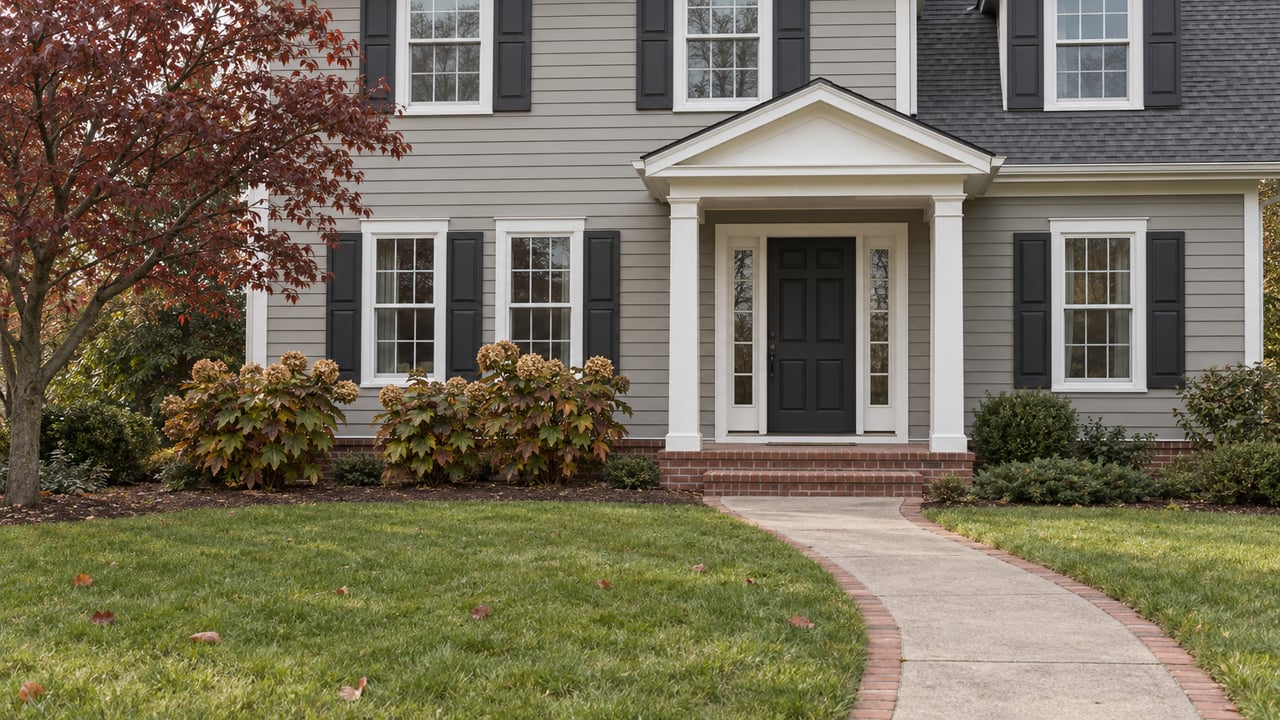
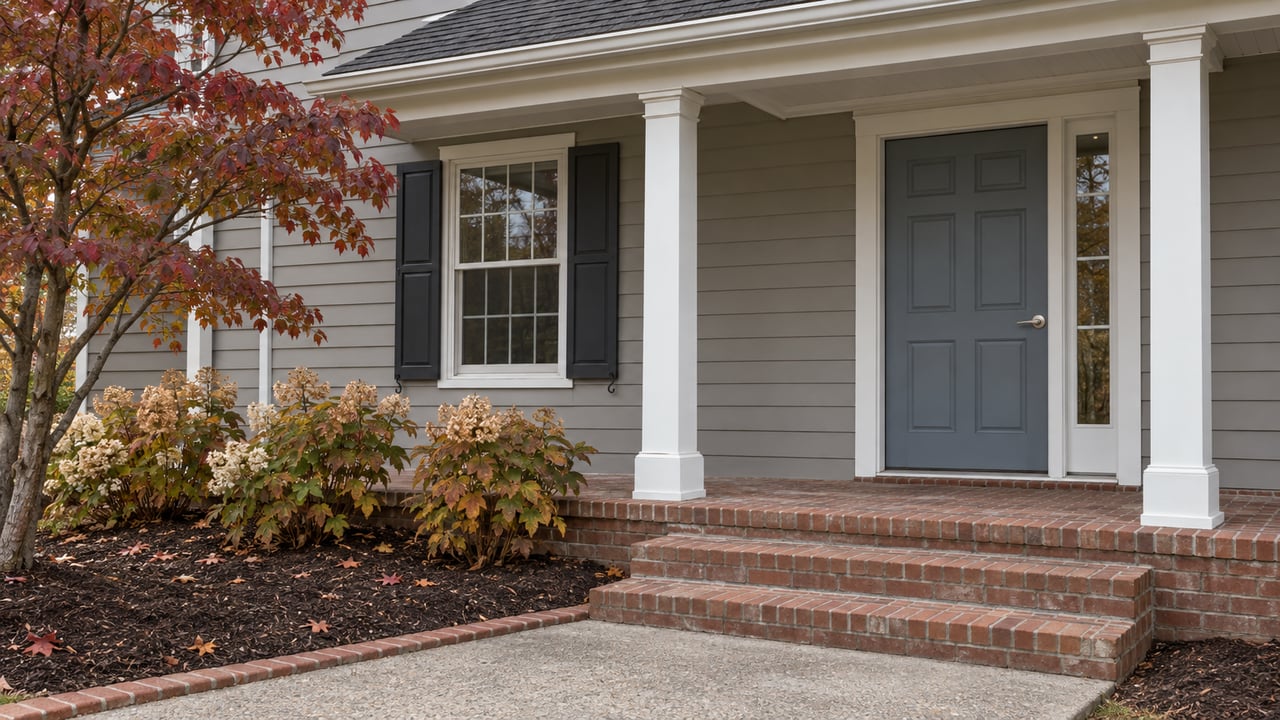
New construction often appeals to buyers who want a more current floor plan, fewer immediate repair concerns, and the chance to choose finishes or features. In Cary, that can be especially attractive if you want something move-in ready with a newer community feel.
At the same time, a new home usually comes with a less predictable timeline than a completed resale. The Town of Cary requires permitting, inspections, and final closeout before a Certificate of Occupancy is issued, so delays can happen if the home is still being built or waiting on inspections.
With a resale home, you are usually buying something that already exists in finished condition. With new construction, your closing date may depend on construction progress, municipal inspections, and final approvals.
That does not mean new construction is a bad choice. It just means you should go in with realistic expectations and enough flexibility if your builder gives a target completion date instead of a fixed one.
For homes that are not yet built, builders may ask for an upfront deposit or earnest money. Before you sign, it is important to ask when that deposit can be returned and under what circumstances.
You should also know that you are not always required to use a builder’s preferred lender. Buyers can shop for lender options, which can help you compare costs and choose the financing that fits you best.
A new-construction contract is not the same as a standard resale contract. You are often reviewing builder paperwork, upgrade selections, estimated completion dates, and warranty documents rather than focusing mainly on an existing home’s current condition.
This is one reason experienced representation matters. A buyer’s agent with new-construction experience can help you compare contract terms, option costs, timing expectations, and the practical details that are easy to miss when everything looks shiny and new.
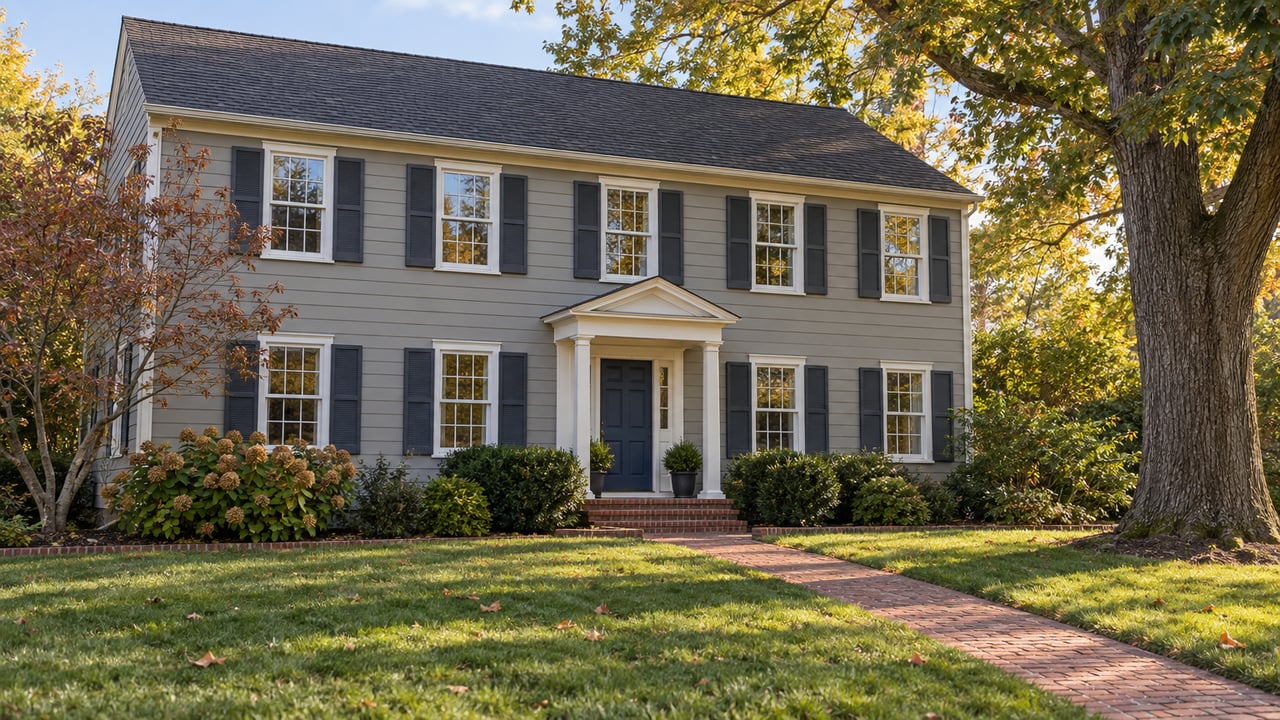
Resale homes attract buyers for a different set of reasons. You may find a more established setting, mature landscaping, a completed neighborhood layout, or a home with features that are hard to duplicate in newer construction.
In Cary, resale can also mean a very different contract and investigation process. Instead of choosing upgrades before the home is finished, you are evaluating a property as it exists today and deciding what level of repair, maintenance, or updating you are comfortable with.
For most resale homes in North Carolina, sellers must provide a residential property disclosure statement and an owners’ association and mandatory covenants disclosure statement before an offer is made. If those disclosures are not delivered on time, the buyer may have a statutory right to cancel within the allowed window.
These disclosures can include information about the property and, when applicable, HOA details such as dues, special assessments, pending lawsuits or judgments, and transfer fees. Just as important, these forms are based on the owner’s actual knowledge and are not a warranty.
North Carolina’s due diligence period gives you time to investigate both the property and the transaction. That can include a home inspection, pest inspection, septic review if relevant, survey, appraisal, title search, and loan qualification or application.
This part of the process can be very helpful because it gives you a structured time to learn about the home. But it also comes with upfront risk that surprises some buyers, because the due diligence fee is negotiated, paid to the seller for that investigative period, and is typically forfeited if you terminate during due diligence.
If you are deciding between the two, the best comparison is not just age. In Cary, the real differences often come down to timeline certainty, customization, inspections, disclosures, HOA details, and how much contract risk you want to take on upfront.
| Topic | New Construction | Resale Home |
|---|---|---|
| Timeline | May vary based on construction, inspections, and final closeout | Often more predictable if the home is already complete |
| Customization | May allow selections for finishes or upgrades | Usually purchased in existing condition |
| Disclosures | First sale of a never-inhabited dwelling is generally exempt from the standard residential disclosure requirement | Most resale homes require statutory disclosures before offer |
| Investigation focus | Builder contract, completion timeline, options, warranties, community details | Existing condition, inspections, disclosures, repair negotiation |
| Upfront contract risk | May include builder deposit terms and builder-specific contract language | Includes negotiated due diligence fee and inspection-driven decision-making |
One common mistake is assuming a brand-new home does not need an inspection. In reality, a new home and a resale home both deserve careful review before you close.
North Carolina’s real estate guidance makes clear that disclosures are not a substitute for a thorough inspection. For new construction, buyers should still get a home inspection before move-in, even if the property is brand new.
A new home may include new materials, systems, and appliances, but that does not guarantee every detail is perfect. Construction is a multi-step process involving many trades, timelines, and municipal approvals.
An independent inspection can help you identify incomplete items or workmanship concerns before you move in. That gives you a clearer picture of the home’s condition and what should be addressed with the builder.
Builder warranties are common with newly built homes, and that is one reason many buyers feel comfortable choosing new construction. These warranties often cover workmanship and materials on certain components for limited periods, with separate timelines for different types of issues.
That said, a warranty is not the same thing as an inspection. North Carolina’s Department of Justice notes that a home warranty is separate, costs extra, may require specific contractors or arbitration, and should never replace a licensed home inspection.
If you are buying new construction in Cary, ask for the warranty documents early. You want to understand what is covered, how long coverage lasts, how claims are handled, and what your responsibilities are as the homeowner.
This is especially important when you are comparing a new home against a resale home that may not include similar builder-backed coverage. A warranty can be valuable, but only if you know what it does and does not do.
Whether you buy new or resale, community rules and maintenance obligations matter. In newer Cary subdivisions, these details can be especially important because the neighborhood may still be in transition.
Under North Carolina law, a lot owners’ association must be incorporated no later than the date the first lot is conveyed, and the law contemplates annual assessments. That means you should expect to review HOA obligations carefully, not treat them as an afterthought.
In a new subdivision, you should verify street status and maintenance responsibilities. North Carolina Real Estate Commission guidance warns that streets may remain private until they are accepted by NCDOT, and maintenance may stay with the developer or owners until that happens.
That is not necessarily a deal-breaker. It is simply something you want to understand before closing so you know who maintains what and how that could affect your experience as an owner.
Cary’s planning work points to continued growth in attached housing options such as townhomes and condominiums, alongside traditional single-family homes. If you are considering one of these properties, your comparison between new and resale should include association fees, shared maintenance, and applicable legal documents.
For condominium resales in North Carolina, owners must furnish a statement of the monthly common expense assessment and other fees payable by unit owners. Condo purchases can also involve different warranty rules than detached homes, so this is an area where details matter.
The better option is the one that matches your priorities, not the one that sounds best in a headline. If you want a chance to personalize finishes, prefer newer systems, and are comfortable with a potentially shifting timeline and builder paperwork, new construction may fit you well.
If you want to evaluate a finished property, rely on statutory disclosures, and use a due diligence period to inspect and negotiate based on the home’s current condition, a resale home may feel more straightforward. In Cary, both paths are common, and both can be good choices when you understand the tradeoffs.
When you compare homes in Cary, focus on more than square footage and list price. Look at the contract structure, timing, deposit or due diligence terms, HOA obligations, street maintenance questions, inspection strategy, and whether the home’s condition or build stage fits your comfort level.
This is where local guidance can make a real difference. A hands-on agent can help you sort through the fine print, keep the process organized, and compare the real-world pros and cons of each option so you can move forward with confidence.
If you are weighing new construction against resale in Cary, working with someone who knows the local process can save you time, stress, and expensive surprises. When you want personal guidance from start to finish, reach out to Jeff L Peterson for a free consultation.