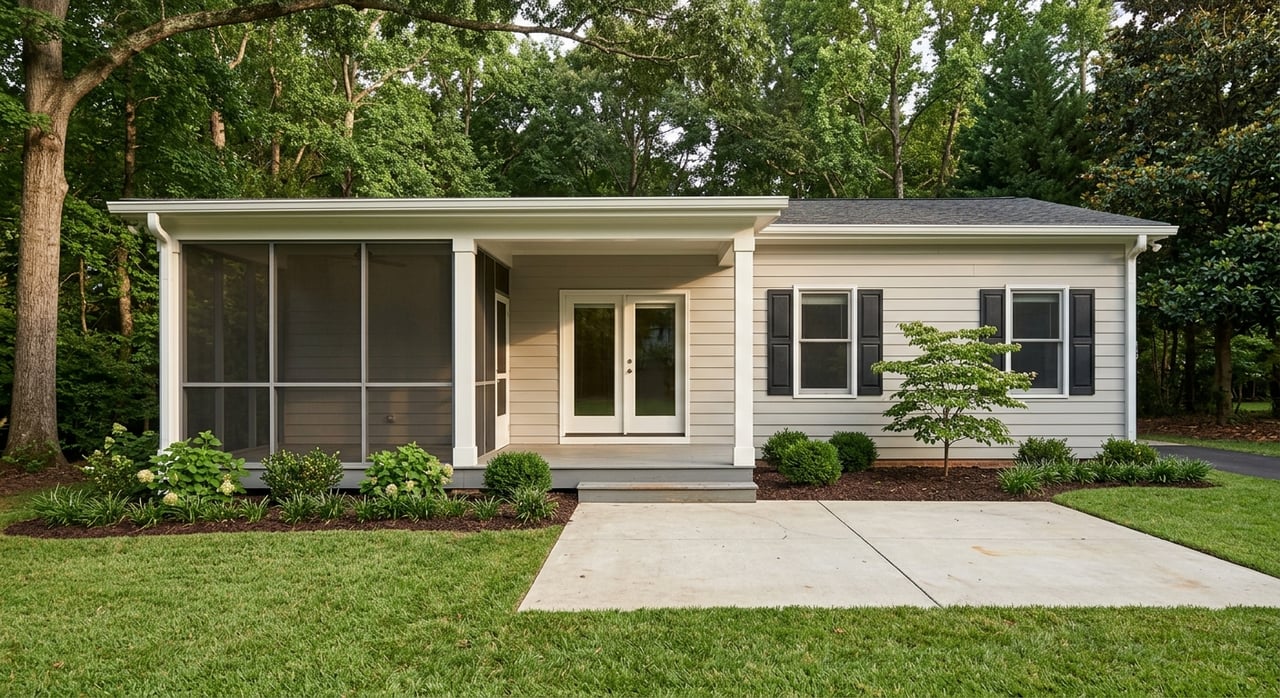
Thinking about selling your Apex home this spring but not sure where to start? You are not alone. A successful sale in the Triangle comes down to smart prep, good timing, and clear coordination. In the next few minutes, you will get a practical, step-by-step roadmap tailored to Apex that helps you focus your time and budget for the biggest impact. Let’s dive in.
Best time to list in Apex
Spring is typically the busiest season for buyers in the Triangle, especially March through May. If you want to catch peak demand, plan your projects so your home is market-ready by late February through early April. That timing aligns with families and job movers aiming to settle before summer.
Check a few market indicators with your agent before you set a go-live date. Look at median sale price, days on market, inventory, and absorption rate for your Apex ZIP code. If months of inventory stay under three, sellers often have an advantage. In balanced or slower conditions, better prep and pricing precision matter even more.
Choose your prep level
Pick the scope that fits your home’s condition, target price, and time frame.
- Clean and Declutter (light): deep clean, de-personalize, minor touch-ups, staging accents. Time: 1 to 2 weeks.
- Pre-List Maintenance (moderate): all of the above plus small repairs, fresh neutral paint, landscaping, and professional photos. Time: 2 to 6 weeks.
- Value-Add Projects (substantial): targeted kitchen or bath refreshes, new flooring, or significant landscaping. Time: 6 to 12+ weeks. Review ROI with local comps before committing.
Your 8-week prep roadmap
Use this as a template and adjust to your timeline.
Week 1: Strategy and planning
- Hire your listing agent and review a comparative market analysis.
- Walk the property together to prioritize repairs and updates.
- Decide on your timeline, budget, and pricing strategy.
- Consider a pre-listing inspection to uncover surprises early.
Week 2: Declutter and book vendors
- Start packing non-essentials and remove 30 to 40 percent of visible items.
- Reserve a storage unit if needed to open up space.
- Schedule a handyperson, painter, landscaper, cleaner, and photographer.
Weeks 3–4: Repairs, paint, and deep clean
- Complete small fixes: patch drywall, repair hardware, service HVAC, replace filters.
- Apply fresh neutral paint where bold colors or wear show.
- Begin light staging and deep clean kitchen, baths, and floors.
Week 5: Curb appeal and staging
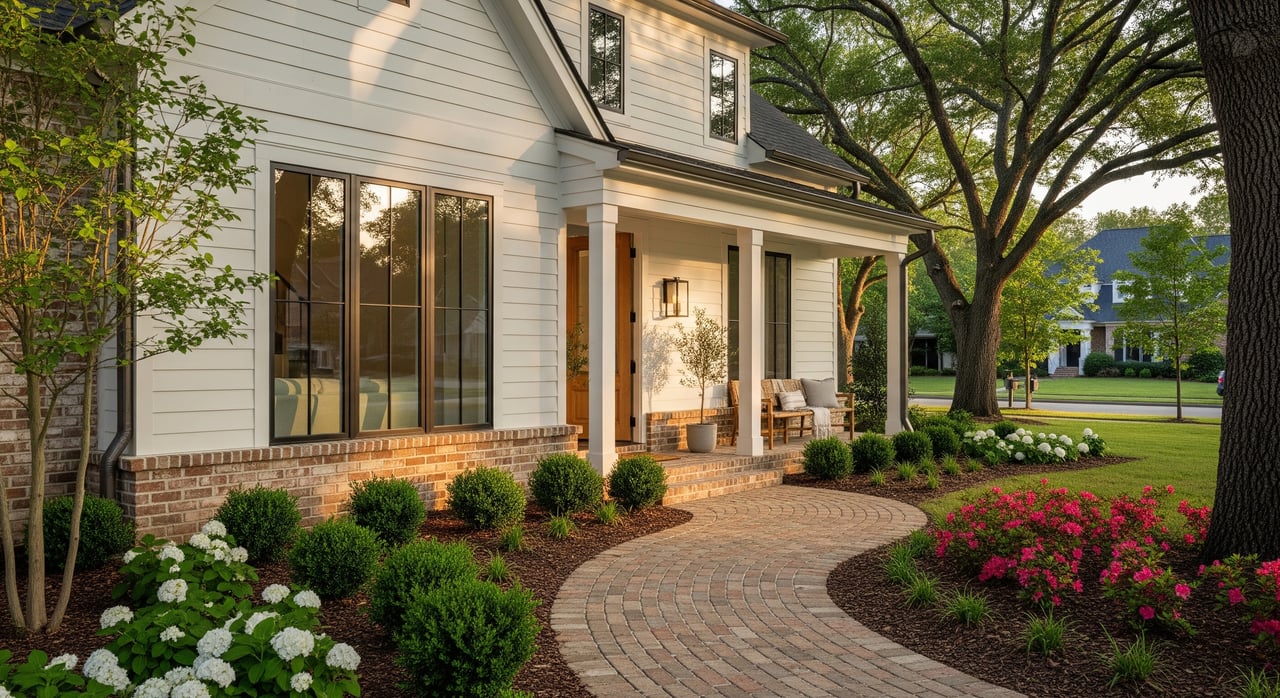
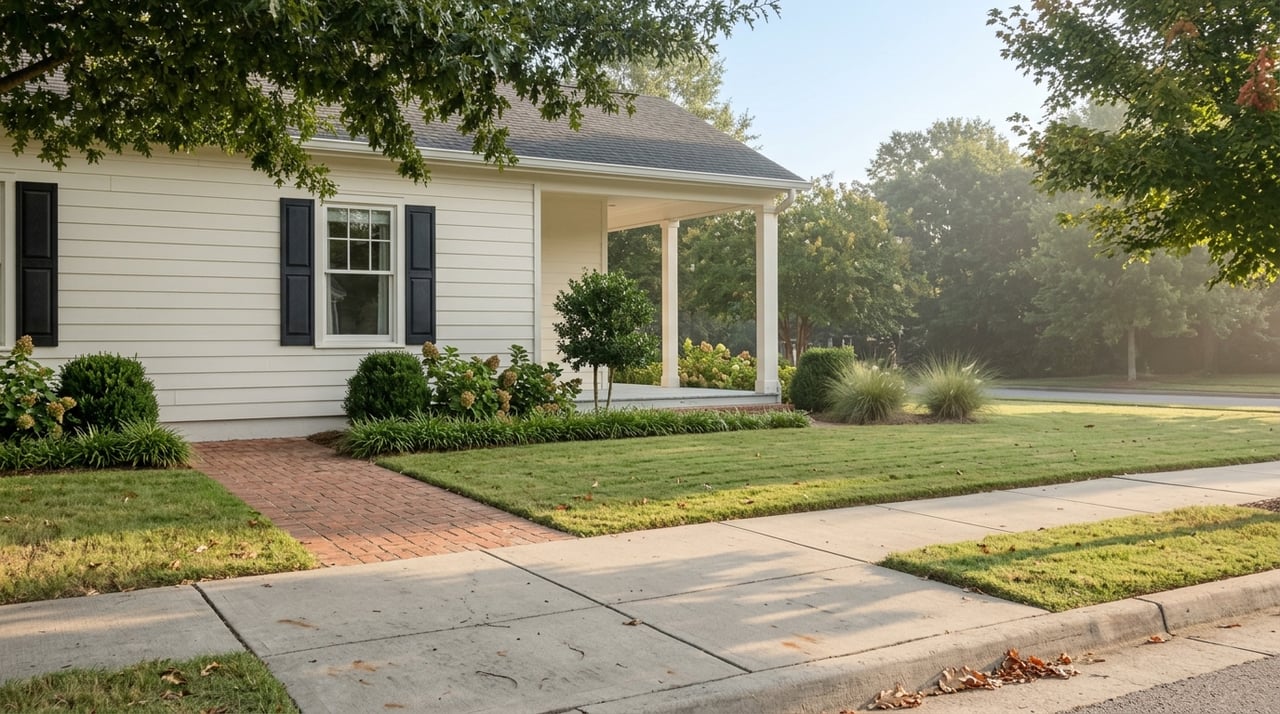
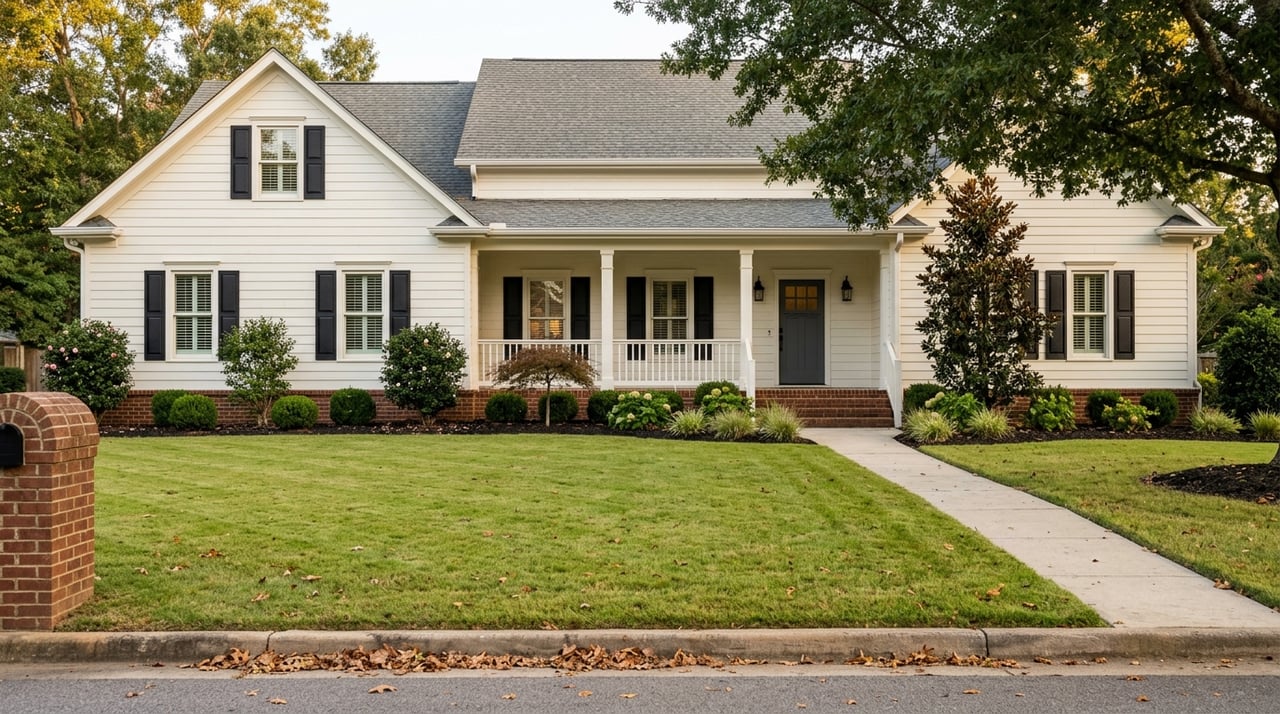
- Refresh mulch, trim shrubs, edge the lawn, and tidy beds.
- Repaint the front door and update house numbers or porch light if needed.
- Finalize furniture layout for good flow and lighting.
Week 6: Photos, 3D, and pricing
- Capture professional photos, a 3D tour, and a clear floor plan after staging.
- Confirm your launch pricing with real-time neighborhood feedback.
Week 7: Go live
- Launch on MLS with a polished description and full media package.
- Consider a broker open or early private showings.
Week 8+: Showings and negotiations
- Track feedback and showing activity closely.
- Adjust price or presentation based on real-time response.
Room-by-room checklist
Exterior and curb appeal
- Pressure wash siding and driveways.
- Trim hedges and trees, edge lawn, refresh mulch, and add seasonal plants.
- Repair walkways, clean gutters, and repaint the front door if worn.
- Make sure house numbers and porch lighting are bright and visible.
Photography tip: Aim for golden-hour light and include front elevation, backyard, and any outdoor living areas.
Entry, living, and dining
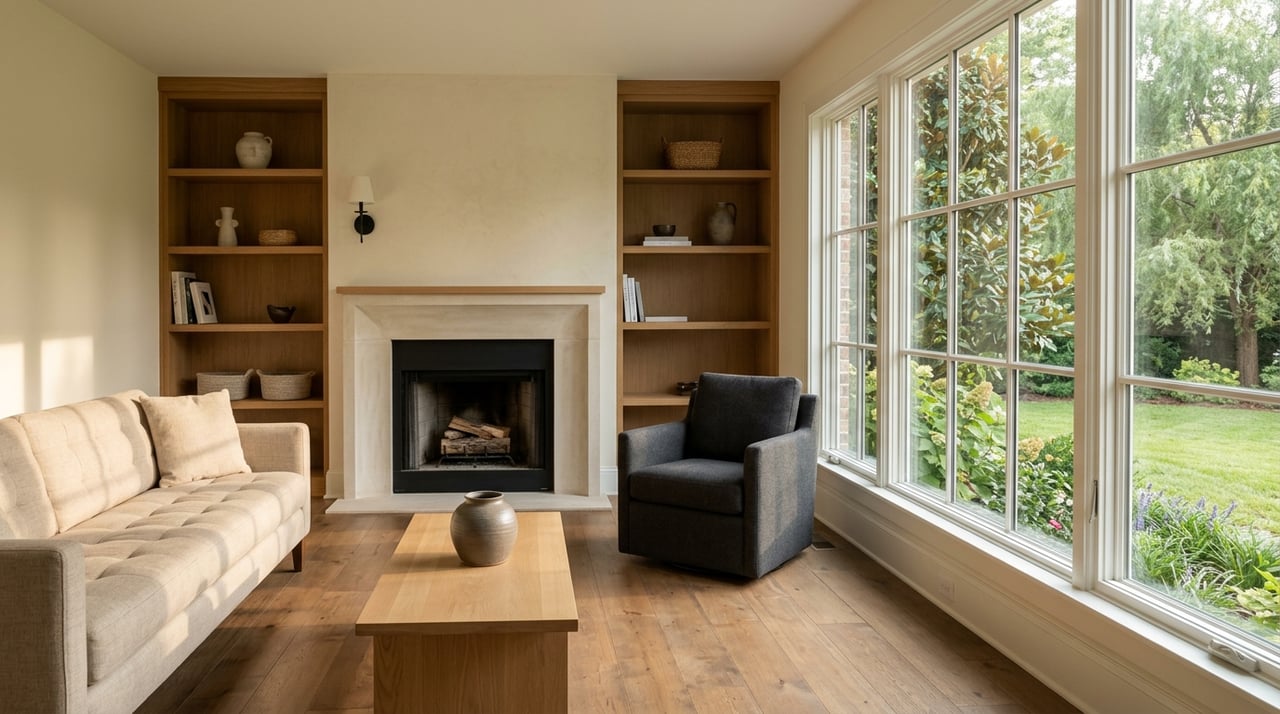
- Remove excess furniture to show space and good traffic flow.
- Neutralize bold wall colors where needed.
- Layer lighting to brighten corners and showcase features.
- Add subtle accents like pillows and a simple rug.
Photography tip: Use wide shots from corners to show room-to-room flow.
Kitchen
- Clear countertops and organize cabinets to showcase storage.
- Clean appliances and grout so everything looks crisp.
- Consider low-cost updates like new hardware or a modern faucet.
- If appliances are older, confirm they are working and clean.
Photography tip: Include wide shots plus details of the island, counters, and any eat-in area.
Bathrooms
- Refresh caulk and grout, and ensure good, bright lighting.
- Update dated fixtures if cost-effective.
- Remove personal items and add clean white towels for a fresh look.
Bedrooms and closets
- Use simple, neutral bedding and minimal decor.
- Remove a portion of clothing and items from closets to show storage.
- If helpful for the floor plan, stage one room as an office.
Storage spaces
- Tidy the garage, attic, and any unfinished areas.
- Keep pathways clear and lighting consistent for a safe, usable impression.
Staging and media
- Choose full staging for vacant homes or partial staging for occupied homes.
- Virtual staging can add value for online shoppers. Check MLS rules and disclose any virtually staged images.
- Hire an experienced photographer who can provide twilight images, 3D tours, and a floor plan. Drone images may be useful if allowed by your HOA and applicable rules.
Permits, HOA, and disclosures in Apex
Before starting any project, confirm what requires a permit. Cosmetic refreshes like paint or hardware swaps typically do not. Structural changes or any electrical, plumbing, or HVAC work often do.
- For local rules and permit thresholds, review the Town of Apex building and permit information. You can start with the official site at the Town of Apex website.
- Wake County oversees certain development and permit services. See Wake County Development Services.
Seller disclosures in North Carolina are standardized. Your agent will guide you through the forms and timelines.
If your property is in an HOA, review covenants for exterior changes, signage, and parking during showings. Some communities require prior approval for visible updates like fences or sheds.
Budget, vendors, and ROI
Plan a realistic budget by getting 2 to 3 quotes for mid-sized projects. Your agent can connect you with reliable local pros and help sequence the work.
Typical ballpark costs can include:
- Deep clean: hundreds.
- Minor repairs: hundreds to low thousands depending on scope.
- Interior paint for select rooms: low hundreds to a few thousand.
- Staging: partial staging often mid-hundreds per month, full staging higher.
- Photography and virtual tour: a few hundred.
- Landscaping refresh: a few hundred to a few thousand.
- Pre-listing inspection: several hundred.
- Storage unit: about $50 to $300 per month depending on size and season.
Where do you get the best return? Decluttering, cleaning, neutral paint, lighting updates, and small repairs usually deliver the strongest impact for the least cost. Curb appeal tends to punch above its weight. Major renovations can help in certain price brackets, but they take more time and capital. Review neighborhood comps and consider third-party resources like the Remodeling Cost vs. Value report for national trend context, then tailor decisions to Apex market conditions.
For buyer interest and speed to contract, professional staging and high-quality media often help. National industry sources, including the National Association of REALTORS, offer research on how presentation influences buyer behavior. Your best guide is current local feedback from active listings and recent Apex sales.
Launch plan and showings
- Go live midweek to capture weekend traffic.
- Offer flexible showing blocks in the first days to build momentum.
- Keep the home show-ready with quick daily resets: lights on, blinds open, counters clear, and trash removed.
- Track feedback and adjust quickly. Small tweaks can improve buyer response without a price change.
Work with a local, hands-on pro
You do not have to coordinate all of this on your own. With a concierge-style, project-managed approach, you can hand off vendor scheduling, staging decisions, photography, and the go-to-market plan to a single point of contact. If you want a clear plan tailored to your Apex home and timeline, reach out to Jeff L Peterson to schedule a free consultation.
FAQs
How long does pre-list prep take in Apex?
- Light prep usually takes 1 to 2 weeks, moderate prep 2 to 6 weeks, and larger projects 6 to 12+ weeks depending on scope and contractor availability.
Should I stage my home or just declutter?
- Decluttering and deep cleaning are essential, while professional staging is most useful for vacant homes or select rooms in occupied homes to maximize appeal.
Which repairs are must-do before listing?
- Prioritize safety and system issues, visible damage, and anything likely to fail a buyer’s inspection or deter showings.
Do I need permits for updates in Apex?
- Cosmetic work often does not require permits, but structural, electrical, plumbing, and HVAC changes typically do, so confirm with the Town of Apex and Wake County.
Do I need a pre-listing inspection in North Carolina?
- It is optional but helpful to identify issues early, price accurately, and reduce negotiation surprises later.
How many vendor bids should I collect?
- For medium or larger jobs, plan on 2 to 3 written estimates; for small fixes, ask your agent for trusted local referrals.
What should I check if I am in an HOA?
- Review covenants for exterior changes, signs, parking during showings, and any resale packets or disclosures required by the community.